
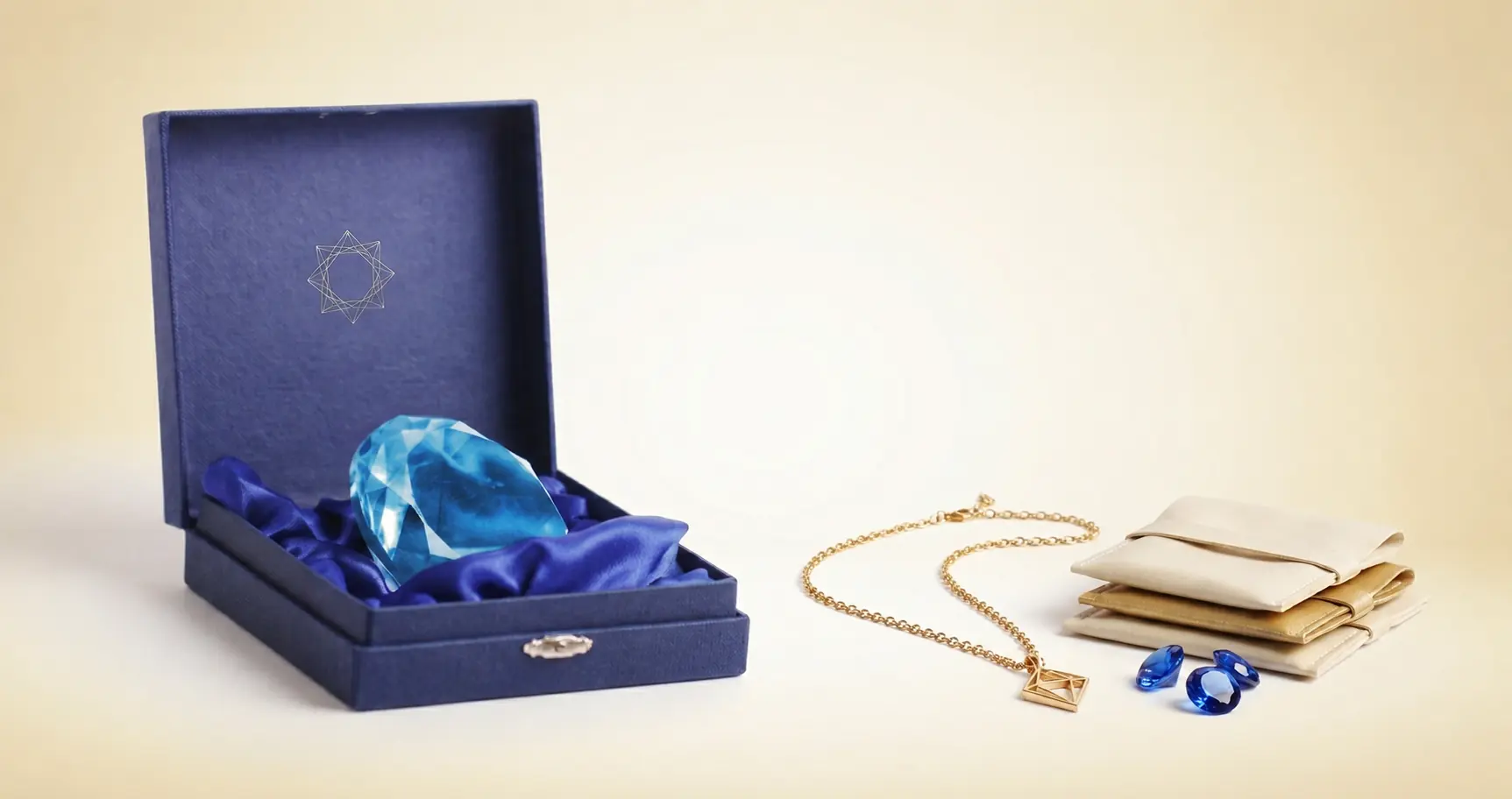
Gemstone display boxes provide attractive paperboard packaging for loose stones, crystal specimens, polished gems, mineral samples and small jewelry pieces. They combine product protection with a neat presentation that lets customers focus on color, clarity, shape and natural detail. Jewelry stores, gemstone dealers, collectors, museums and online sellers can use these boxes for retail displays, trade shows, gifts, shipping or long term storage.
A good display box does more than hold a stone. It creates a defined space around the gemstone so the piece appears organized and valuable. Paperboard offers a light yet firm structure, making these boxes practical for businesses that need good presentation at an affordable cost.
Paperboard Construction and Material Options
Paperboard is widely used for gemstone packaging since it accepts printing, cutting, folding and surface finishes with good results. The material can be produced in several thicknesses according to gemstone size and weight. Small stones may need a lightweight board, where larger minerals require a thicker paperboard structure.
Common material choices include:
- Solid bleached paperboard for bright printing and premium presentation
- Folding box board for lightweight retail gemstone boxes
- Recycled paperboard for brands seeking reduced material waste
- Textured paper stock for a soft and decorative appearance
- Kraft paperboard for an earthy presentation suited to raw crystals
Paperboard gemstone box can feature single wall or layered construction. A layered format gives the box more firmness and helps it keep shape under regular handling. Material selection should be based on stone weight, shipping method, display setting and the intended retail price.
Box Styles for Gemstones and Crystals
Gemstones come in very different forms, so one box format does not fit every item. Loose diamonds, turquoise pieces, geodes and polished quartz all require their own internal arrangement. A compact two piece box is one of the most popular choices for individual stones. It has a separate lid and base which gives a traditional jewelry presentation.
Drawer boxes offer a sliding opening that can make unboxing feel more interesting. Window boxes place a transparent section on the lid, allowing buyers to view the gemstone without opening its package. Book style boxes open from one side and give room for printed details about origin, treatment or stone care.
Other useful styles include:
- Hinged lid gemstone boxes
- Folding carton display boxes
- Pillow shaped boxes for small polished stones
- Compartment boxes for gemstone collections
- Counter display cartons for multiple retail units
- Magnetic style paperboard boxes with a fitted closure
A seller can choose one format across the full collection, or we can use different box forms for premium and standard product lines. This sometimes makes inventory little difficult, but the presentation gets more suitable for each stone.
Inserts That Keep Stones in Position
An insert stops a gemstone from moving loosely inside the package. Movement can cause surface marks, chipped edges or a poor presentation when the customer opens the box. Paperboard inserts are useful for lightweight items and can be cut with a central opening that follows the stone shape.
Foam, velvet covered pads, cotton filling and molded pulp may be placed inside a paperboard box. A soft pad works well for polished stones, cabochons and jewelry pieces. Raw crystals may require a deeper cavity and firmer support. Some seller uses a removable platform, letting customers take the stone out without touching it too much.
Black inserts make bright stones appear more intense, yet white inserts can show the true color of darker minerals. Cream, gray and natural brown are useful neutral choices. The box interior must not compete visually with the gemstone, since it is the main thing people came to see.
Custom Printing and Brand Presentation
Custom printing can turn a basic gemstone display box into recognizable retail packaging. A logo, business name, gemstone category and short brand message may be printed on the lid. Inside printing can carry stone facts, care directions or a thank you note.
Popular printing methods include offset printing for large orders and digital printing for smaller quantities. Screen printing may suit simple logos with limited colors. Branding needs to remain readable on compact boxes, so too much wording can get crowded very fast.
Surface choices can include:
- Matte coating for a soft appearance
- Gloss coating for stronger color reflection
- Spot gloss applied to logos or selected artwork
- Foil stamping in gold, silver, copper or colored foil
- Embossed lettering for raised brand detail
- Printed textures that resemble stone, sand or marble
Color selection should support the gemstone collection. Deep blue, burgundy and charcoal can suit luxury stones. Beige, brown and muted green works well for natural crystals and mineral specimens. Bright colors may be used for children’s collections, spiritual gift stores or casual retail products.
Clear Windows and Product Visibility
A clear window lets the gemstone remain visible on a shelf without direct handling. This is helpful at trade counters where many shoppers want to compare shapes and colors. The opening can be square, round, oval or custom cut to match a logo.
The transparent film should be fixed securely inside the paperboard panel. Window size needs proper planning, since a very large opening may reduce the firmness of the lid. A small window sometimes hides part of the product and can make the box feel oddly proportioned. It takes a bit of balance, really.
For collectors, a full top window can create a specimen case appearance. Printed labels beside the window may list the gemstone name, source country, carat weight and treatment status. Such information builds buyer confidence and reduces repeated questions at the sales counter.
Protection During Storage and Shipping
Gemstones may look hard, yet several varieties can scratch, chip or react to moisture. Opal, pearl, turquoise and amber need careful storage compared with diamond, sapphire or ruby. A paperboard display box should fit the product closely and leave enough room for cushioning.
For ecommerce orders, the display box can go inside a corrugated mailing carton. Void fill prevents movement through delivery. The display packaging itself should not be treated as the shipping container, especially for expensive stones. This extra packing step cost more, but it gives better protection and reduce replacement claims.
Printed handling information may be added to the outer mailer. Stone identification cards can remain inside the display box, along with appraisal papers or authenticity certificate. One should keep documents separated from the stone surface so ink and rough paper does not rub against it.
Uses Across Retail and Collecting
Gemstone display boxes support many business settings. Jewelers use them for diamonds, birthstones and custom ring stones. Mineral shops need them for crystal points, tumbled stones and small fossils. Museums and educational suppliers can package labeled geological samples for students.
They work well for:
- Retail shelves and glass counters
- Gem and mineral trade shows
- Online gemstone orders
- Subscription crystal collections
- Appraisal and certification services
- Corporate gifts and event favors
- Personal stone storage
A matching collection of boxes gives the entire display a more organized appearance. Customers can compare products more easily, and staff got a simpler way to arrange stock by stone type, price or size.
Ordering Custom Gemstone Display Boxes
Before ordering, measure the gemstone at its widest, tallest and deepest points. Allow room for the insert without leaving a large empty area. Box dimensions, paperboard grade, printing colors, finish, window shape and order quantity should be confirmed during planning.
Requesting a physical sample helps check fit and print color before full production. Digital artwork can look different after printing on paperboard, mainly on kraft or textured stock. Sellers should review logo size, spelling, insert depth and lid movement. A box that feels too tight may damage delicate corners, and one that is too loose can make a valuable gem appear small.
Custom quantities may range from short production runs to wholesale orders. Larger orders often reduce the cost per unit, though storage space and future design changes needs consideration.
Questions and Answers
What are gemstone display boxes made from?
Most are produced from folding paperboard, solid bleached board, recycled board or kraft paperboard. Inserts may use paperboard, foam, cotton, molded pulp or fabric covered pads.
Can a clear window be added?
Yes. A transparent window can be fitted into the lid so customers can see the gemstone without opening the package.
Are paperboard boxes suitable for shipping gemstones?
They are suitable as inner display packaging. A corrugated shipping carton with cushioning should be used around them for delivery protection.
Can every box have a custom insert?
Yes, an insert can be cut according to gemstone measurements. Custom cavities are useful for irregular crystals, polished stones and matched gemstone sets.
What details can be printed on the box?
A business can print its logo, gemstone name, origin, care information, carat weight, website and contact details. Space is limited on small boxes, so the most useful information should receive priority.
Are recycled paperboard options available?
Recycled board and responsibly sourced paper materials are available from many packaging suppliers. Material availability may vary according to box structure, finish and printing needs.